
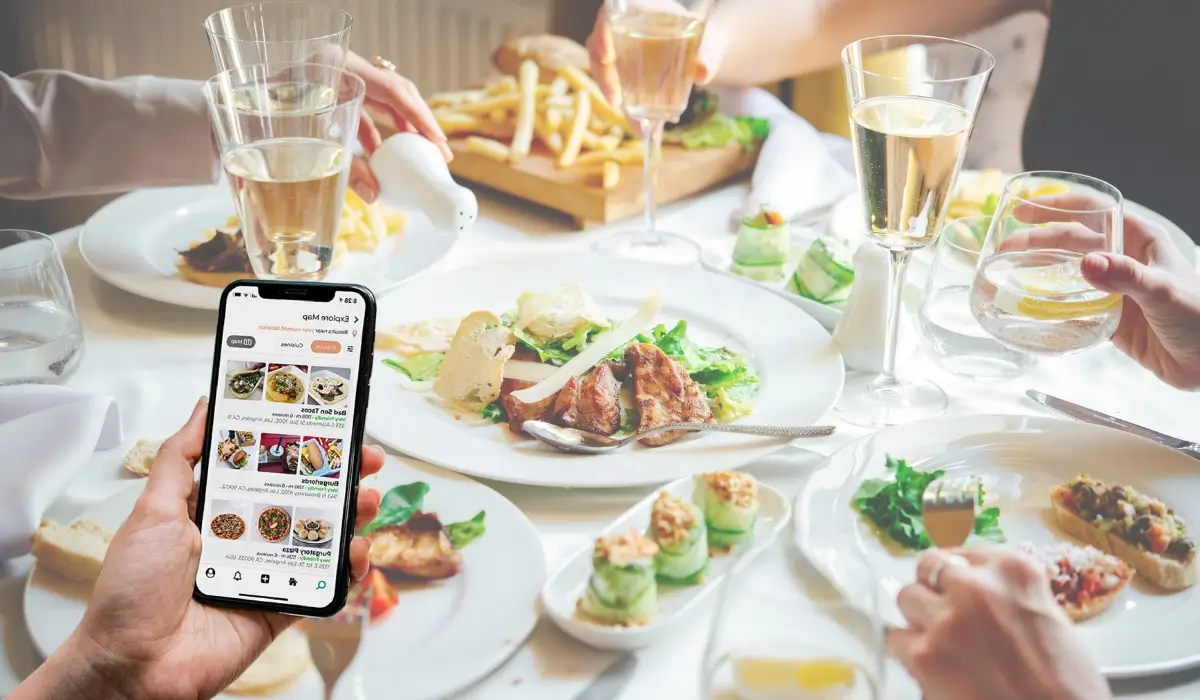
Why Restaurant SEO Is No Longer Optional
Running a restaurant in India today means competing on Google, not just Zomato or Swiggy.
When customers search for:
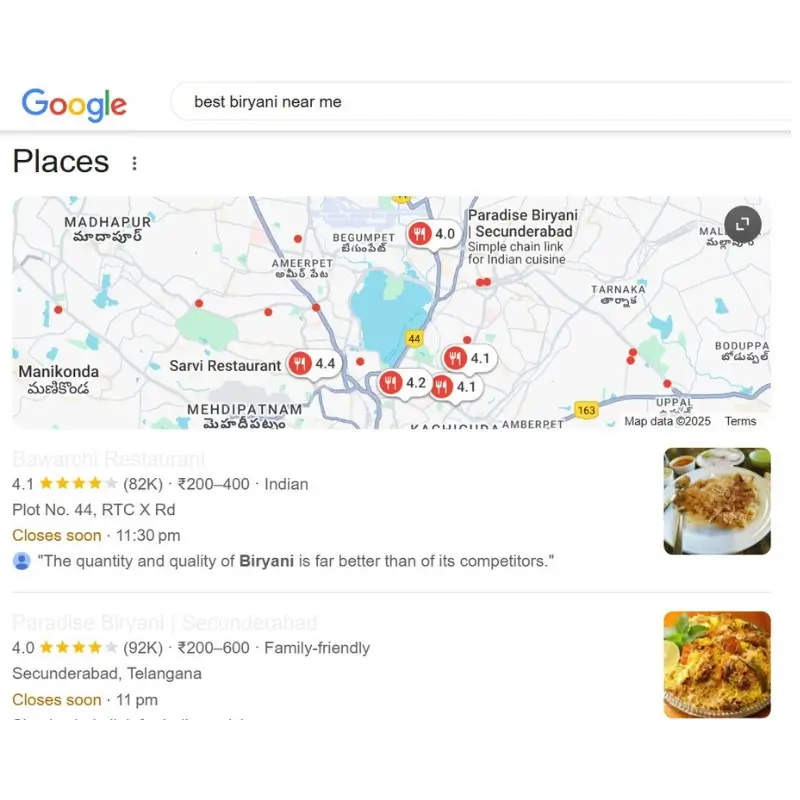
- “best biryani near me”
- “veg restaurant in Andheri open now”
- “family restaurant with parking in Surat”
- “Chinese takeaway near IT Park Pune”
Google shows them restaurants that have strong SEO, not necessarily the ones with the best food.
If your restaurant isn’t optimized for search especially local search you’re invisible to hungry people nearby.
This guide gives you agency-level SEO strategies I personally use when helping restaurant clients increase:
✔ Online orders
✔ Map visibility
✔ Reviews
✔ Repeat visits
Let’s begin.
Begin by making sure you set up your Google Business Profile correctly.
Restaurant SEO Strategies: Complete 2026 Framework
Below are the strategies that actually move the needle especially for Indian restaurants.
1. Optimize Your Google Business Profile (GBP) for Maximum Visibility
Google Business Profile is the #1 ranking factor for restaurant searches.
This is the profile customers see when they Google your restaurant name or view results on Google Maps.
What to optimize (agency workflow):
- Correct business name (no keyword stuffing)
- Exact address + map pin verification
- Menu URL or Google Menu integration
- Ordering links (Zomato, Swiggy, DotPe, PetPooja)
- Holiday hours (very important for ranking)
- Photos: food, ambiance, staff, kitchen, menu board
- Attributes: Pure veg, Wi-Fi, Parking, Family-friendly, Delivery available
- Weekly Google Posts (offers, events, signature dishes)
- Respond to all reviews with a consistent tone
Pro Tip:
Restaurants that update photos regularly get more direction requests and menu clicks (source: Google Business Profile Help).
Use this SEO checklist for restaurants to fine-tune every element.
2. Restaurant Website Optimization (Technical + Content)
A restaurant website should load fast, be mobile-friendly, and instantly show:
✔ Menu
✔ Location
✔ Hours
✔ Call button
✔ Order/reservation options
Technical SEO Checklist:
- Mobile speed score above 75
- Load time under 3 seconds
- SSL certificate (HTTPS)
- No broken links
- Compressed food photos
- Local business schema
- Location-based titles & descriptions
Content SEO Checklist:
- Homepage optimized for cuisine + locality
- Each cuisine/dish category has its own SEO-friendly section
- Clear headings like:
- “Best North Indian Restaurant in Bandra West”
- “Affordable Punjabi Thali in Chandigarh”
- Add FAQ section answering real search queries
3. Keyword Research for Restaurants
Indian diners search differently compared to Western customers.
Searches are often cuisine + location + preference based.
Top categories of restaurant keywords:
1️⃣ Cuisine-Based Keywords
- “best biryani near me”
- “veg pizza in Koregaon Park”
- “south indian breakfast in Hyderabad”
2️⃣ Price-Based Keywords
- “budget lunch Pune”
- “affordable dinner for family Mumbai”
3️⃣ Preference-Based Keywords
- “pure veg restaurant Indore”
- “halal food near me”
- “Jain food restaurant Bandra”
4️⃣ Landmark-Based Keywords
- “restaurants near Phoenix Mall Chennai”
- “cafes near Cyber Hub Gurgaon”
5️⃣ Occasion-Based Keywords
- “birthday party restaurant Surat”
- “romantic dinner Bengaluru”
Use these in:
- Homepage
- Menu page
- Blog content
- GBP description
- Social posts
Never stuff keywords keep everything natural.
4. Local SEO Signals That Improve Restaurant Rankings
Google relies heavily on local signals to rank restaurants.
Here are the signals that matter most:
✔ NAP Consistency (Name, Address, Phone)
Your details must match across:
- GBP
- Website
- Zomato
- Swiggy
- JustDial
- TripAdvisor
- MagicPin
Even small mismatches hurt ranking.
✔ Local Citations
List your restaurant on:
- Dineout
- Nearbuy
- LBB (Little Black Book)
- IndiaMart (for catering businesses)
- Zomato, Swiggy
- Local directories
- Food blogs
✔ Review Signals
- Quantity
- Recency
- Variety
- Responses
All influence GBP rank.
5. Reviews Strategy (Google + Food Apps)
BrightLocal’s 2024 Review Report shows:
- 88% trust online reviews as much as personal recommendations
- Customers prefer restaurants that respond to reviews
- Restaurants with consistent reviews rank higher
Where restaurants need reviews:
- Zomato
- Swiggy
- TripAdvisor (for tourist cities)
How to ask (politely):
“Hope you enjoyed your meal! If you have 30 seconds, a quick Google review helps other food lovers discover us.”
Pro Strategy:
Create a QR code on bill receipts linking to your Google review page.
6. Content Marketing for Restaurants (Local + Seasonal)
Local content boosts both SEO and engagement.
Best performing content types for Indian restaurants:
- Festival special menus (Diwali, Navratri, Eid)
- Signature dish stories
- Chef interviews
- Sourcing ingredients locally
- “Best places to eat near ___ landmark”
- Event-based menus (Valentine’s, New Year)
- Top dishes for monsoon season
Use location and cuisine keywords naturally.
7. Photos & Video SEO (Huge For Restaurants)
Photos influence:
- Map rankings
- Customer decisions
- Trustworthiness
Google states profiles with photos get:
- More direction clicks
- More calls
- More website visits
Upload:
- Food shots
- Ambiance
- Staff photos
- Menu pages
- Short 10–15 sec videos
8. Restaurant Schema Markup
Use Restaurant Schema to help Google understand:
- Cuisine type
- Hours
- Menu
- Price range
- Reservations
- Ratings
This improves rich results and click-through rate.
9. Backlinks That Actually Matter for Restaurants
Not all backlinks are equal.
Restaurants need local + niche backlinks.
Best backlink sources:
- Food bloggers in your city
- Local magazines
- Local influencers
- Event listing sites
- Catering partner websites
- College or corporate sponsorship listings
- Local news
- Guest posting on food review sites
India-specific:
- Zomato Gold partners list
- Swiggy Handpicked partners
- PetPooja partner list
Backlinks = higher authority → higher ranking.
10. Voice Search Optimization (Rising Fast in India)
India is one of the highest voice search users globally.
Examples of what people say:
- “restaurant near me open right now”
- “pure veg dinner places near me”
- “Chinese takeaway near Kharadi”
- “Which restaurants deliver after 11 PM?”
Add these conversational questions in your:
- FAQ section
- Blog content
- GBP Q&A
- Menu descriptions
11. Social Media Signals (Indirect but Crucial)
While social media doesn’t directly affect SEO, it indirectly boosts:
- Brand search volume
- Trust
- Click-through rate
- Repeat visitors
Platforms for Indian restaurants:
- YouTube
- Google Posts
- Zomato Collections
12. Tracking Performance (Monthly Checklist)
Use:
✔ Google Business Profile Insights
To track:
- Calls
- Directions
- Website clicks
- Menu views
✔ Google Analytics
Track:
- Traffic
- Bounce rate
- Device breakdown
- Conversions
✔ Search Console
Track:
- Keywords
- Impressions
- Pages ranking
- Local queries
✔ BrightLocal or Moz Local
Track:
- Map rankings
- Local keyword movement
- Citation health
Conclusion
Restaurant SEO is not a one-day task.
It’s a continuous process of:
- Updating
- Improving
- Listening to customers
- Staying consistent
In 2026, the restaurants that dominate search results are the ones that:
✔ Keep their Google Business Profile active
✔ Post fresh content
✔ Build reviews
✔ Optimize their website
✔ Use local keywords
✔ Understand Indian consumer behavior
If your restaurant masters these strategies, you’ll never worry about empty tables again.
For multi-location setups, apply these local SEO strategies for small businesses.
Want Help With Restaurant SEO?
If you’d like me to optimize your restaurant’s Google presence or do a FREE SEO AUDIT, email with: Restaurant Name + City on contact@digitalblogsvilla.com I’ll review your online presence and share personalized recommendations.
